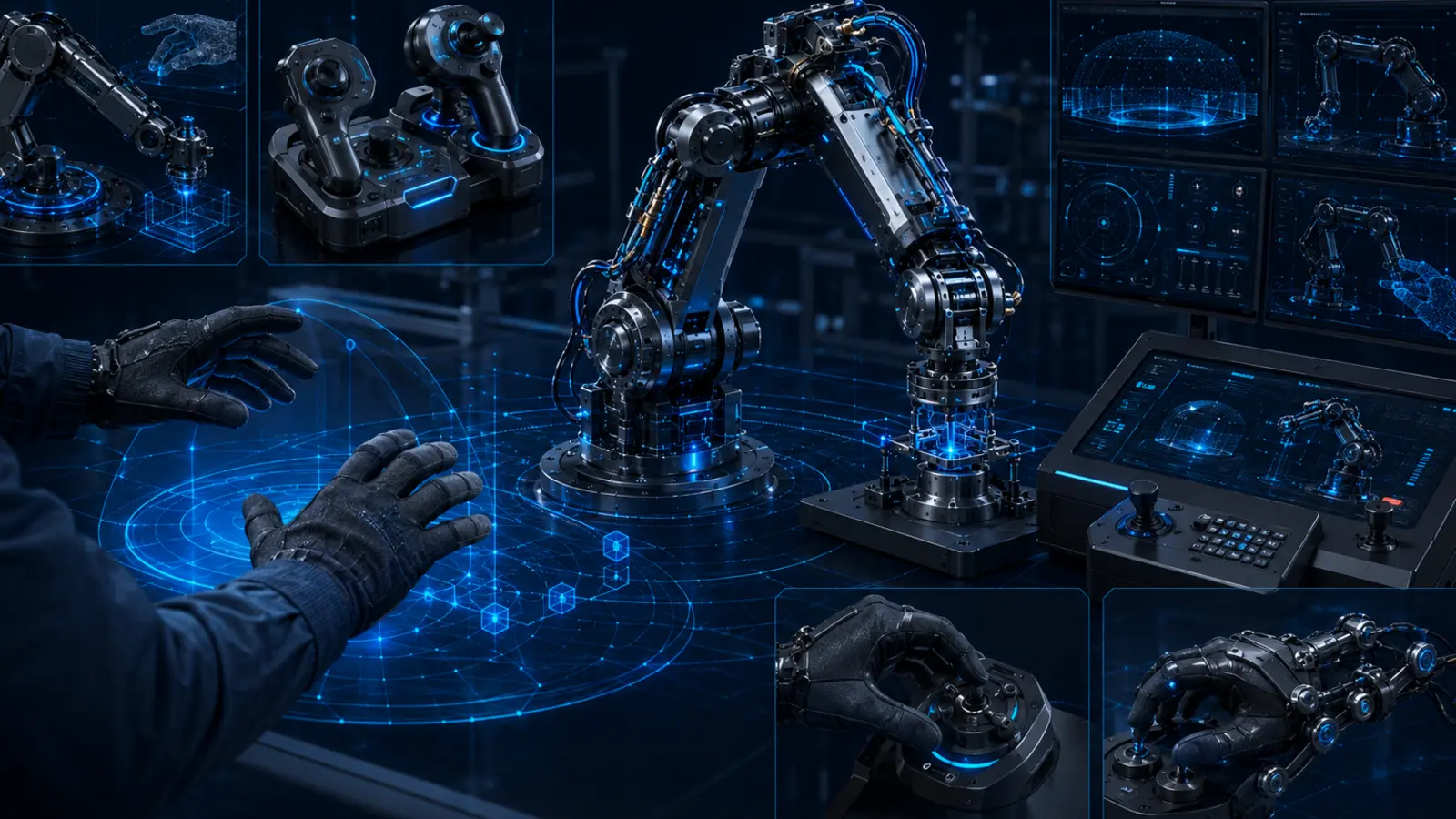
Operator interfaces, teleoperation, haptics, ergonomics, situational awareness, explainability, accessibility and collaborative work design.
Revision 1.9.1 · Phase 2 content and navigation review
Public-safe engineering gateway: this page explains responsibilities, interfaces, work products and review evidence without publishing application-specific dimensions, algorithms, allowables or unreleased performance data.
Engineering Role
Why This Gateway Exists
This gateway designs the relationship between people and intelligent machines. It controls commands, information, workload, remote presence, accessibility and collaborative behavior so operators can understand and safely influence the system.
Questions This Team Must Close
What information and authority does each user need in each operating mode?
How are intent, status, limits, alarms and uncertainty communicated?
What latency, workload, ergonomics and accessibility constraints apply?
How will people recover from faults, automation surprises or degraded sensing?
Controlled Engineering Scope
Six Level-3 Topic Pages
Each daughter page defines a focused technical responsibility, the interfaces it must control and the evidence expected as the design matures.
Human interaction depends on physical controls, displays, communications, autonomy, safety states, procedures and training presenting one consistent operational model.