Electrical Engineering Systems
From semiconductor physics and processor architecture through circuit design, PCB layout, interconnect, signal integrity, power electronics, embedded control, mechatronics, robotics, manufacturing and reliability. The division is organized as a visual engineering knowledge system rather than a collection of disconnected articles.
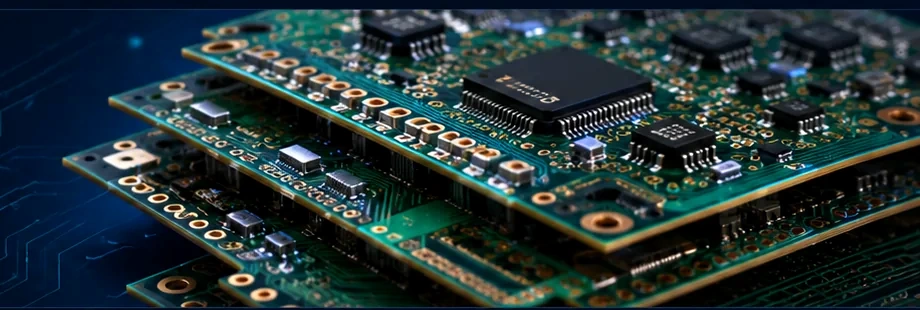
Explore Electrical Engineering Systems
Nine core systems are presented in three visual rows at desktop width. The remaining six Level-2 systems continue below; the page is intentionally height-fluid and width-constrained.
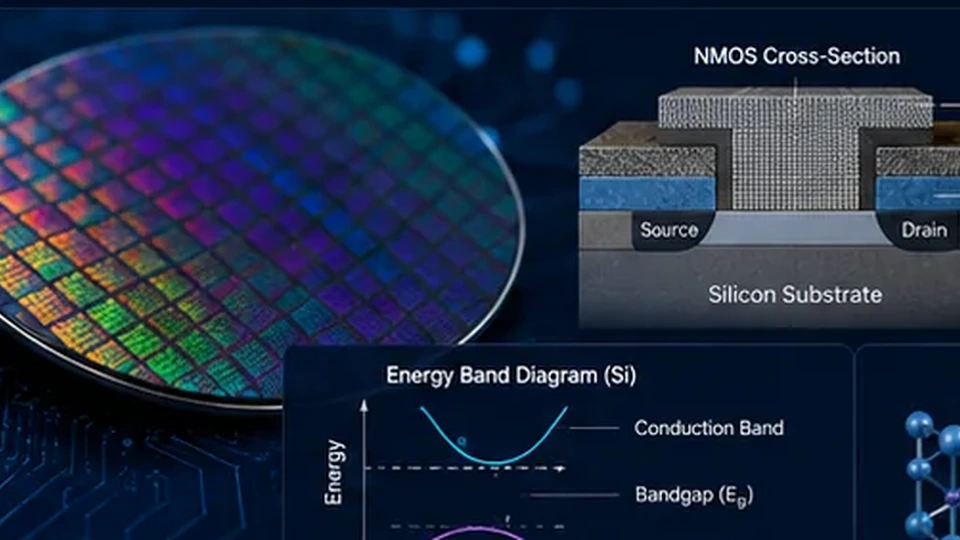
Semiconductor Physics & Device Technologies
Device physics, junctions, transistors, compound semiconductors, wide-bandgap devices, scaling and reliability.
Open system →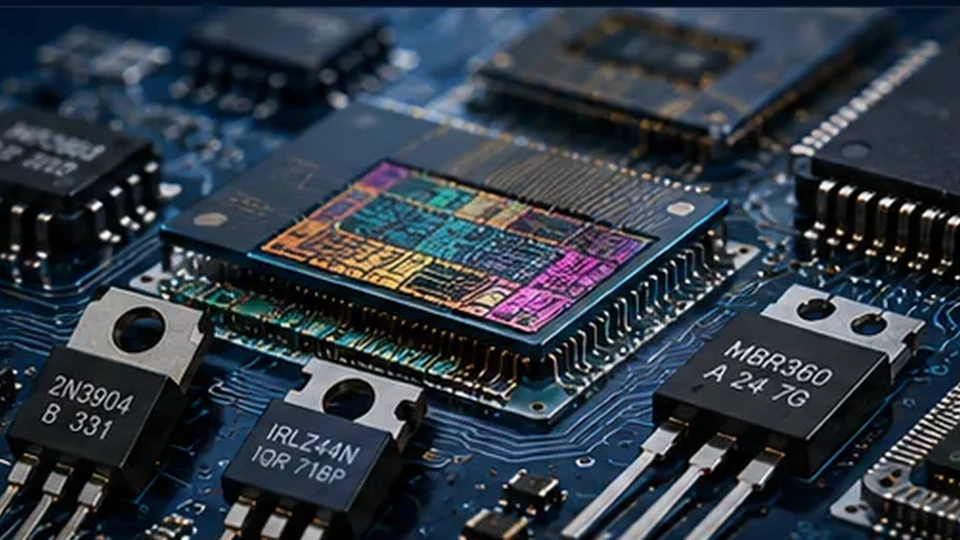
Semiconductor Fabrication & Process Engineering
Wafer processing, lithography, deposition, etch, implantation, diffusion, CMP, metrology, contamination and yield.
Open system →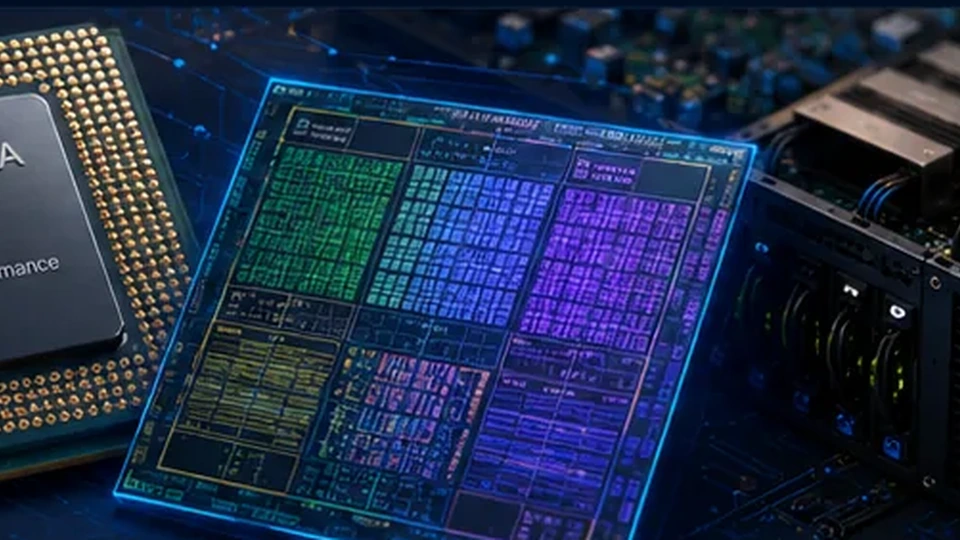
Processors, SoCs, GPUs, MCUs & DSPs
Processor architecture from general-purpose CPUs through GPUs, embedded controllers, DSPs, accelerators and system-on-chip integration.
Open system →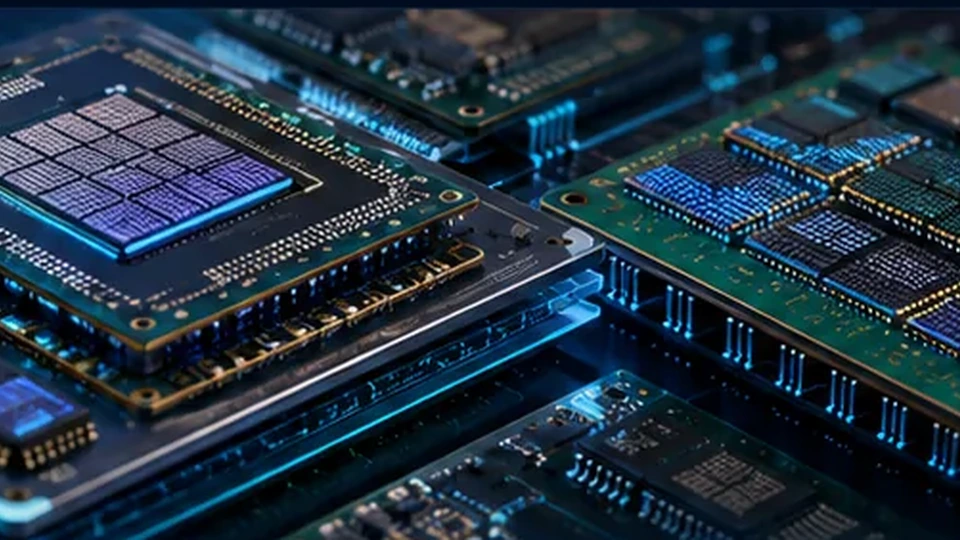
Digital Logic, FPGAs, ASICs & Chiplets
Logic architectures, programmable fabrics, custom silicon, hardware acceleration, chiplets and die-to-die integration.
Open system →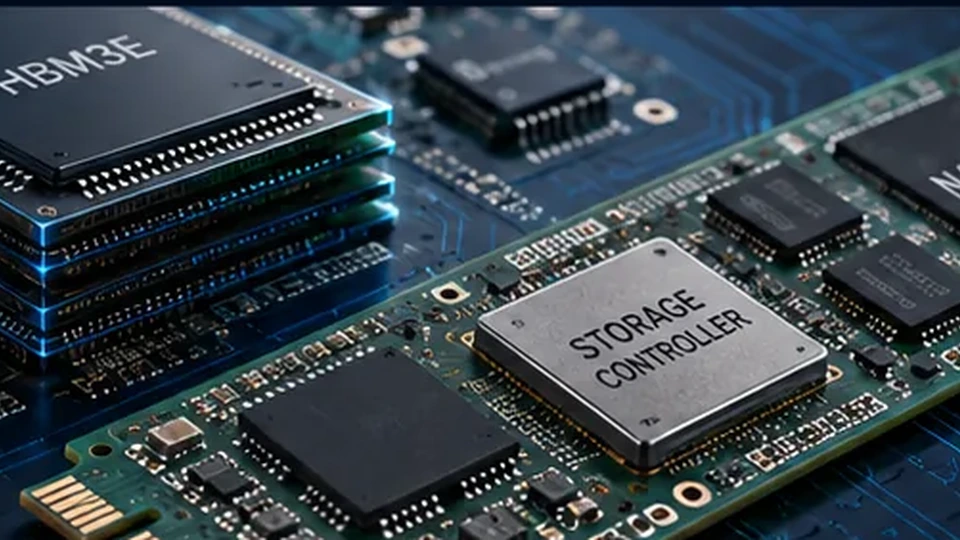
Memory & Storage Electronics
SRAM, DRAM, flash, HBM, nonvolatile memory, storage controllers, interfaces and emerging memory technologies.
Open system →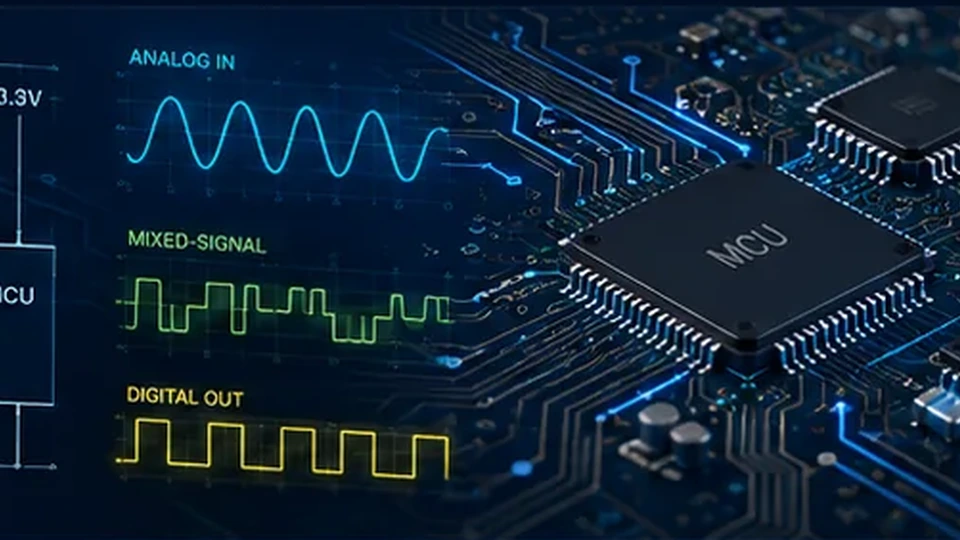
Analog & Mixed-Signal Electronics
Amplifiers, filters, data converters, clocks, PLLs, references, sensor interfaces and analog/digital boundary design.
Open system →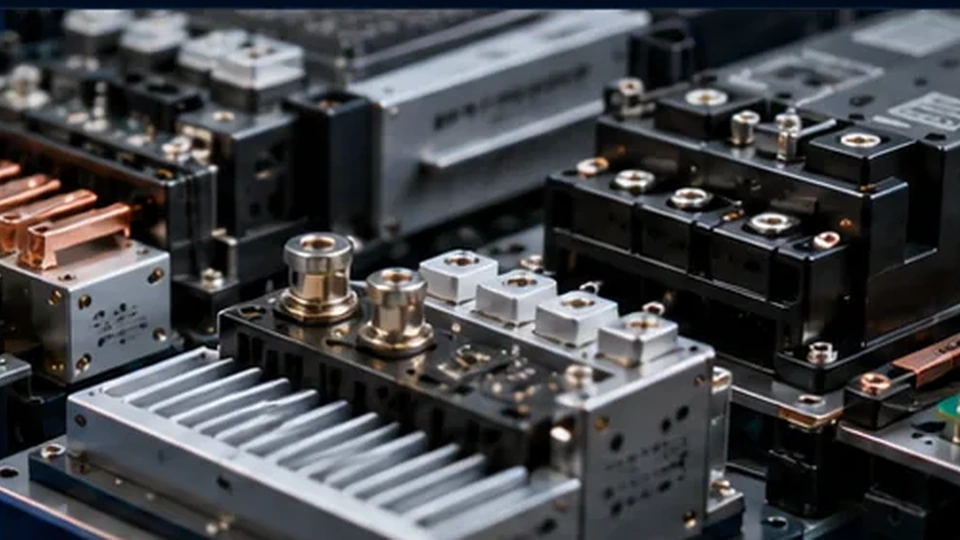
Power Electronics & Power Conversion
Power supplies, converters, gate drive, MOSFET/IGBT/SiC/GaN devices, magnetics, protection and high-current design.
Open system →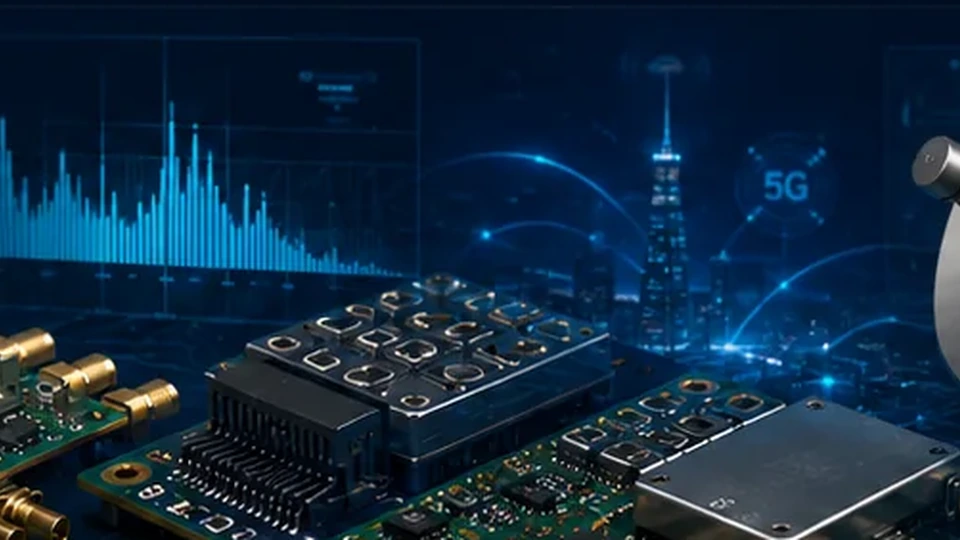
RF, Microwave, Wireless & High-Frequency Design
RF front ends, matching networks, transmission structures, antennas, filters, LNAs/PAs, mixers and microwave PCB practice.
Open system →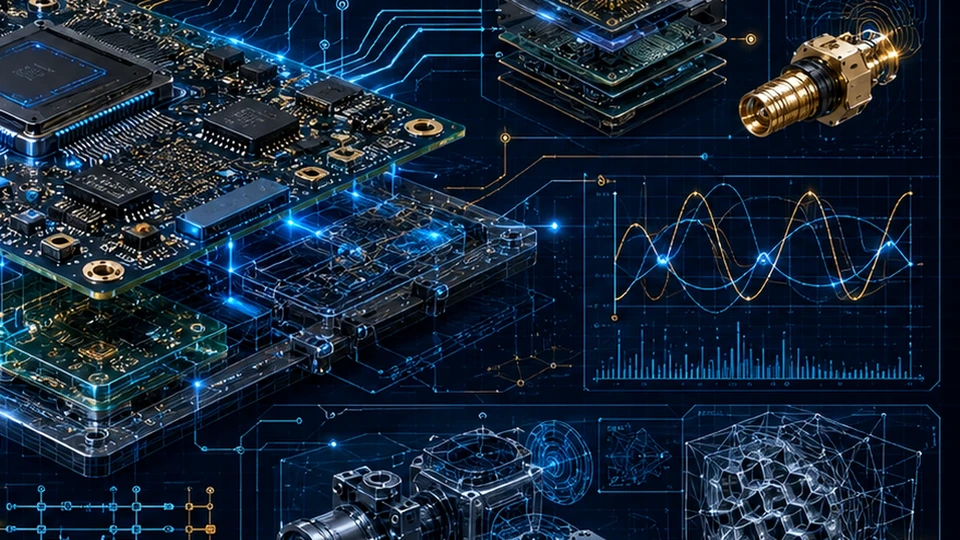
Sensors, MEMS & Instrumentation
MEMS, inertial, pressure, optical, magnetic, thermal and chemical sensing plus signal conditioning and instrumentation.
Open system →Complete the 15-System Electrical Architecture
Six additional Level-2 systems remain fully visible below the three-row primary grid—no vertical page limit and no duplicate categories.
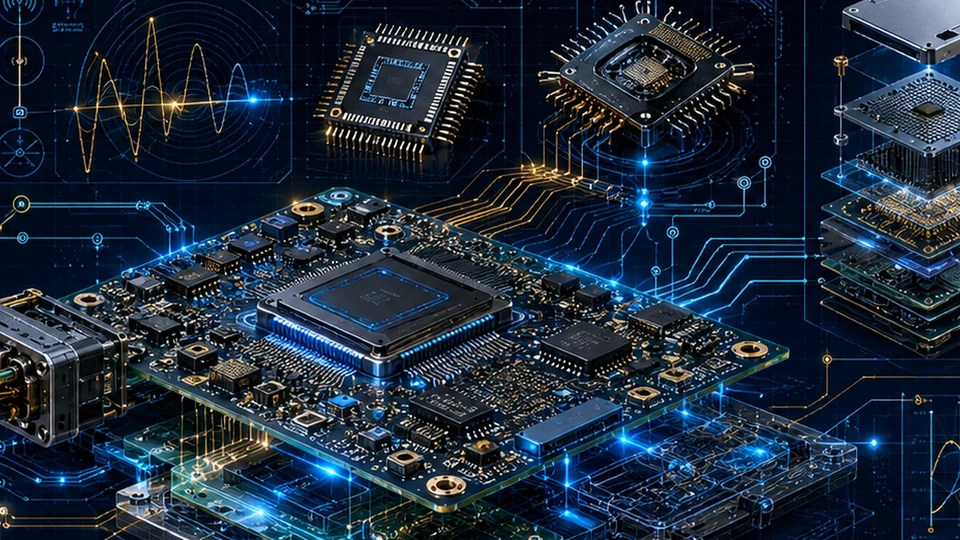
Photonics, Optoelectronics & Optical Interconnect
Lasers, photodiodes, optical transceivers, silicon photonics, modulators, detectors and board/package optical interconnect.
Open system →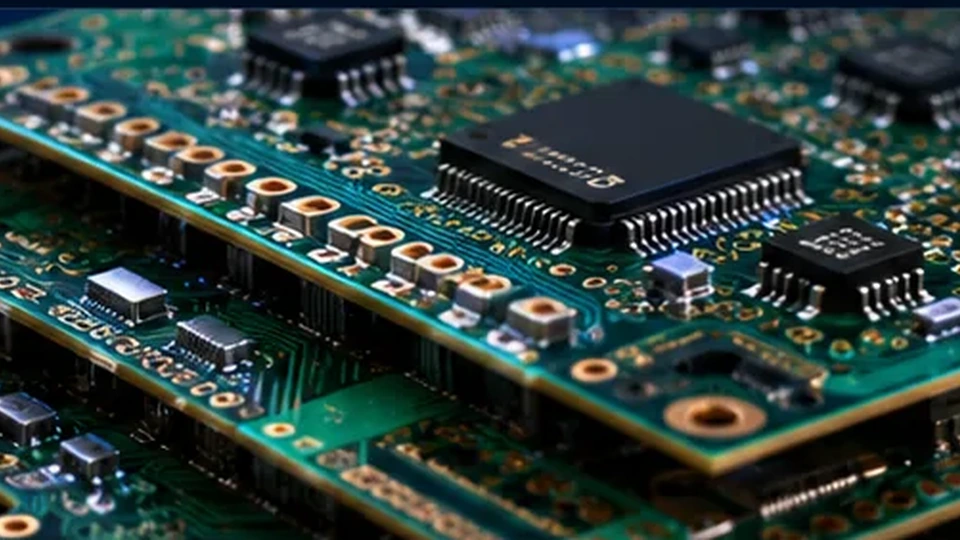
PCB Architecture, Schematic & Layout Engineering
Schematic capture, multilayer stackups, rigid/flex/rigid-flex, HDI, vias, controlled impedance, routing and design rules.
Open system →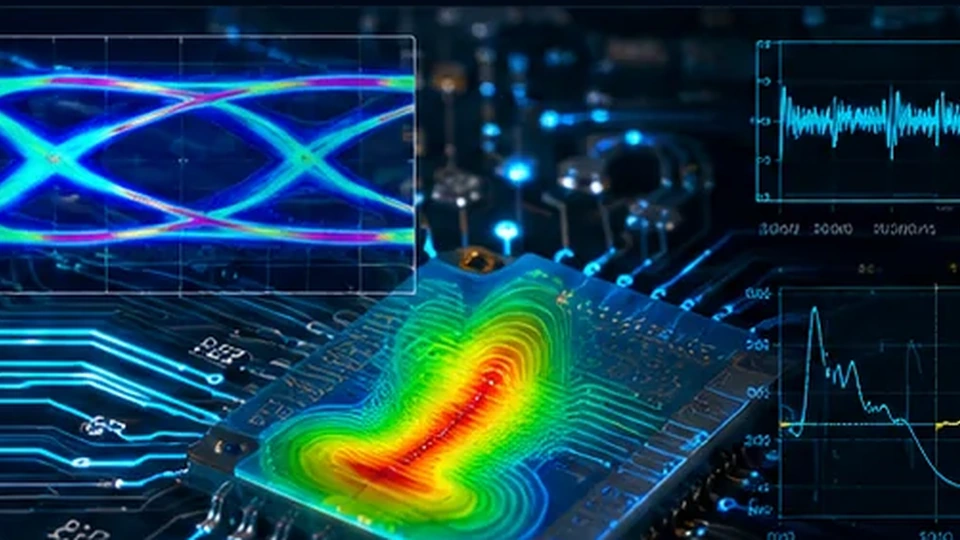
Signal Integrity, Power Integrity, Grounding, EMI/EMC & ESD
Transmission lines, crosstalk, termination, SerDes, PDN, decoupling, return paths, grounding, shielding, emissions and immunity.
Open system →
Electronic Packaging, Thermal & Mechanical Integration
BGA/CSP/QFN, interposers, 2.5D/3D integration, heat paths, cold plates, TIMs, board support, vibration and enclosure interfaces.
Open system →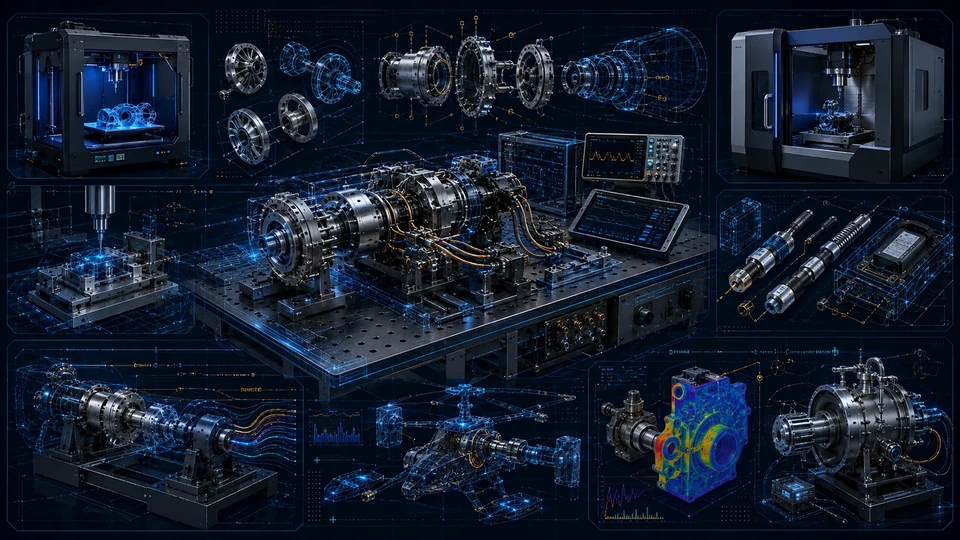
Harnesses, Connectors, Flex & Electrical Interconnect
Connectors, pinouts, harness design, shielding, grounding, cable impedance, EWIS concepts, flex circuits and board-to-board interfaces.
Open system →
Manufacturing, DFM/DFA, Test, Reliability & Harsh Environments
Fabrication/assembly, soldering, inspection, ICT/flying probe/boundary scan, functional test, failure analysis, environmental and high-reliability electronics.
Open system →Advanced & Emerging Electronics
Eight populated specialty branches now cover neuromorphic, quantum, photonic, superconducting, cryogenic, heterogeneous, in-memory and flexible electronics.
Neuromorphic Computing Hardware
Event-driven and brain-inspired computing, local memory/compute and sensor interfaces.
Quantum Computing Hardware
Qubit control/readout, cryogenic electronics, RF/optical interfaces and packaging.
Photonic Computing & Optical I/O
Silicon photonics, optical chiplets, drivers, detectors and co-packaged optical interfaces.
3D & Heterogeneous Integration
Chiplets, interposers, hybrid bonding, vertical interconnect and package-level integration.
Engineering knowledge that can become public HTML
Fundamentals, design guides, terminology and public-safe standards references are kept separate from internal control notes and source-library material.
Engineering context matters
The same device or PCB rule behaves differently when the mission is a medical instrument, vehicle controller, spacecraft computer or high-reliability industrial system.
Applications & Cross-System Integration
Electrical Engineering Systems now connects the component/board hierarchy to real application domains and to the Materials, Optical, Mechanical, Software/AI/Computational, Mechatronics/Robotics and Prototyping interfaces.
Applications
Aerospace, medical, automotive, industrial, computing, high-reliability, energy and communications.
Cross-System Integration
Controlled interfaces to Materials, Optical, Mechanical, Software/AI/Computational and Prototyping.

Mechatronics, Robotics & Motion Control
Motor drives, sensing, feedback, embedded control, functional safety, industrial networks and electromechanical actuation.