Cross-System Integration
Electrical hardware becomes a complete engineered system only when materials, optics, mechanics, computation, manufacturing and validation are treated as explicit interfaces rather than downstream afterthoughts.
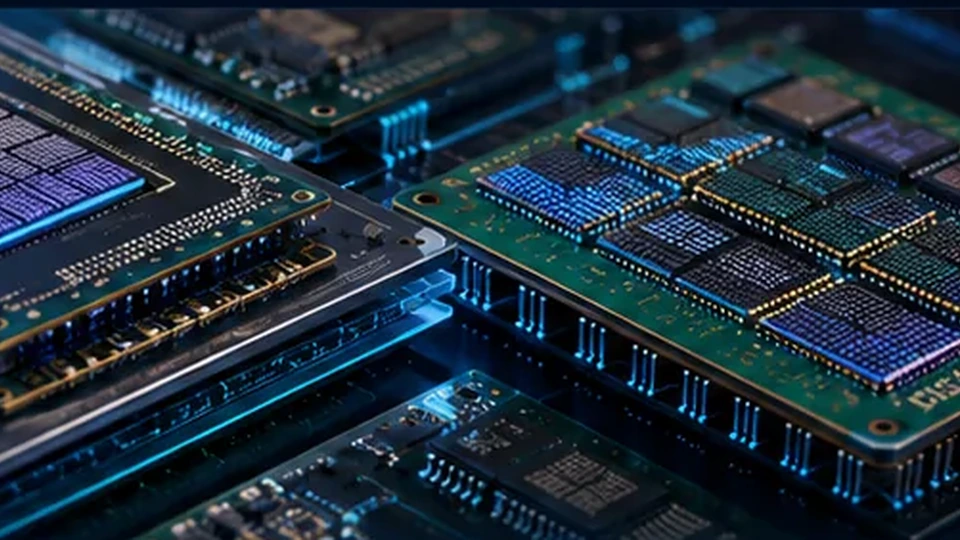
Engineering Division Boundaries
These pages define ownership boundaries and the electrical information that must cross them, including the closed-loop mechatronics and robotics interface.
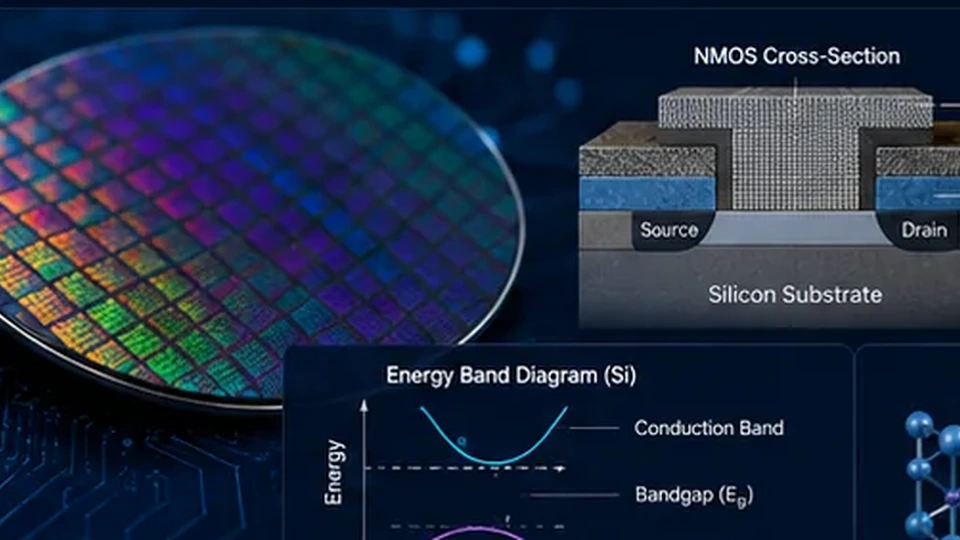
Materials Engineering Interface
Electrical performance depends on conductor, dielectric, semiconductor, magnetic, thermal-interface and packaging materials.
Open interface →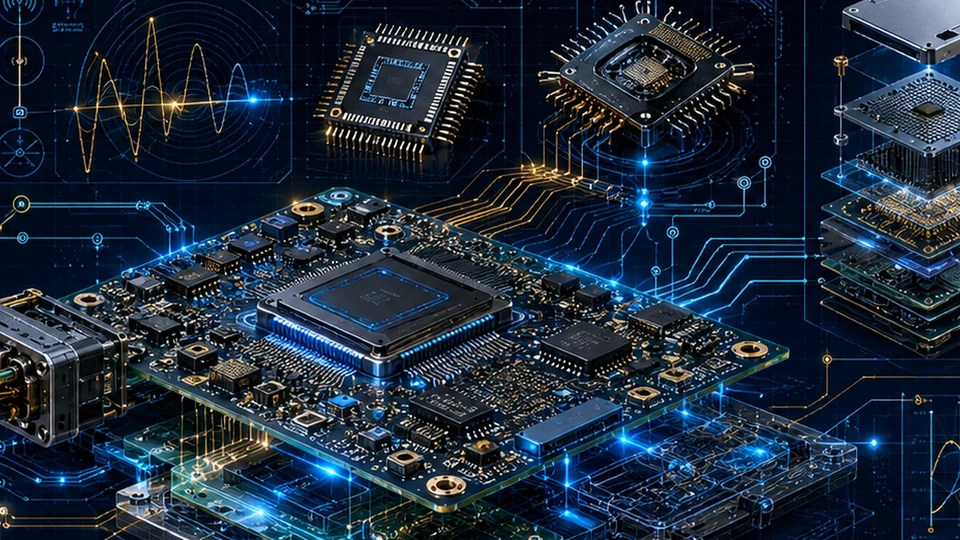
Optical Engineering Systems Interface
Optoelectronics, photonic I/O, laser/detector drive electronics, optical sensors and high-speed optical links cross the electrical/optical boundary.
Open interface →Mechanical Engineering Systems Interface
Enclosures, thermal paths, vibration, mounting, cooling and electromechanical interfaces determine whether electronics survive the physical system.
Open interface →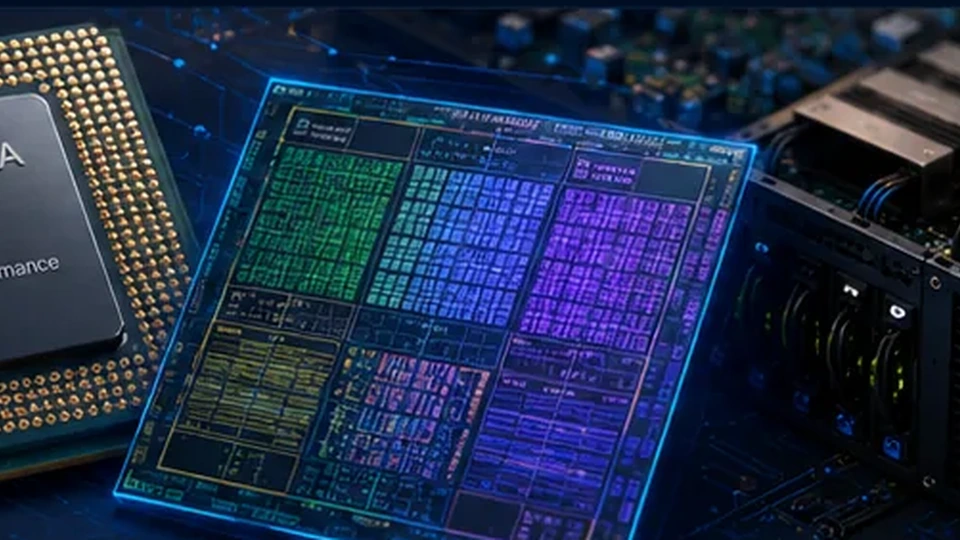
Software, AI & Computational Systems Interface
Processor selection, accelerator architecture, firmware constraints, real-time behavior and hardware/software partitioning connect electronics to computation.
Open interface →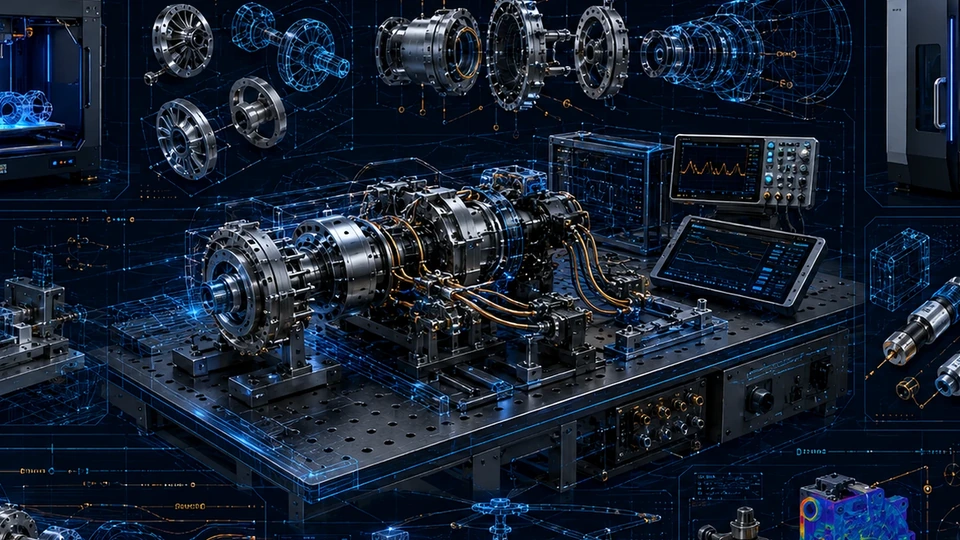
Prototyping Lab & Validation Interface
Prototype builds, rework, instrumentation, environmental test and failure analysis close the loop between design intent and physical evidence.
Open interface →
Mechatronics, Robotics & Motion Control
Motor drives, sensors, feedback, embedded controllers, safety, industrial networks and the actuator/mechanism boundary.
Open interface →